Proven tips for traveling with kids by car including timing strategies, activity rotation systems, and solutions to common road trip problems that parents face
Travelling with Kids by Car: A Practical Guide That Actually Works
Travelling with kids by car requires planning around non-negotiable needs. Hungry toddlers don't negotiate. Tired children don't respond to logic. This guide covers what actually works.
Timing: When to Start Driving
Early Morning Departures (5:00-6:00 AM)

Children sleep through the boring highway portion. Wake at the destination or close to it. Parents drive in quiet, handle navigation without distractions.
Works for:
Long drives (3+ hours)
Kids ages 2-8 who sleep in cars
Weekend trips where early arrival matters
Requires:
Pack the car the night before
Breakfast to-go or stop 1-2 hours into the drive
Parent comfort with early morning driving
Post-Nap Afternoon (14:00-15:00)
Kids just woke from an afternoon nap with fresh energy. Several hours until the next sleep cycle. Arrive at the destination by dinner.
Works for:
Medium drives (2-3 hours)
Toddlers on predictable nap schedules
Destinations with evening activities
Avoid:
Driving during afternoon nap time (15:00-17:00)
Late enough that kids are tired by arrival
Timing That Fails
Late morning (9:00-11:00): Hits lunch and nap time mid-drive | Children hungry and tired simultaneously
Evening (18:00-20:00): Dinner time + approaching bedtime = maximum crankiness
During nap time: Keeping toddlers awake in the car leads to overtired meltdowns lasting hours after arrival
By Age: What Works
Infants (0-12 months)
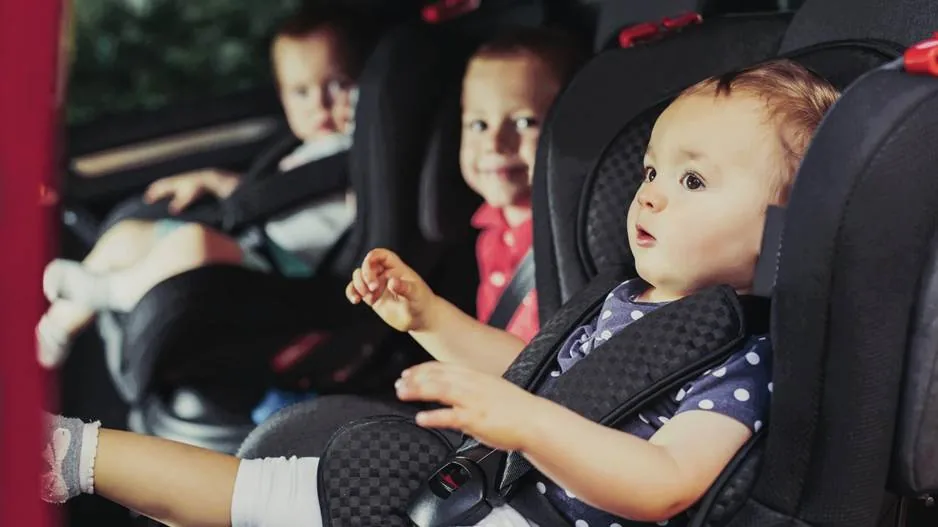
Car vibration and white noise help sleep. Time drives around feeding schedule: feed, change diaper, drive while they sleep, stop when they wake.
Essential:
The rear-facing car seat is properly installed
Window shade blocking direct sun
Extra diapers, wipes, and a change of clothes accessible without unpacking the trunk
Bottles or formula already portioned
Avoid:
Relying on pacifiers alone (they fall, baby cries, driver distracted)
Tablets and screens (too young, creates dependency)
Toddlers (1-4 years)
Most challenging age. Short attention span, limited understanding of "we'll be there soon," communication skills are developing but incomplete.
Works:
Snacks every 30-45 minutes (small portions: crackers, cheese, fruit)
Window stickers (cling-type, reusable)
Songs (repetitive ones they know)
Talking about what they'll do at the destination
Stops: Every 90 minutes maximum | Toddlers need to move
Avoid:
Tablets as first option (save for emergencies)
Sugary snacks (energy spike then crash)
New toys (unfamiliar items cause frustration)
Young Children (5-8 years)

Can understand time and distance concepts. Handle longer stretches between stops. Engage with activities.
Works:
Audiobooks (age-appropriate stories, 30-60 minutes long)
Simple games: I Spy, License Plate Bingo, 20 Questions
Drawing or colouring (clipboards work better than books)
Tablets forthe final hour if needed
Stops: Every 2 hours
Engage them: "How many blue cars can you count?" gives purpose to looking out the window
Older Children (9+)
Mostly self-sufficient. Handle tablets, books, and music.
Works:
Their own playlists with headphones
Books or tablets
Podcasts aimed at kids
Giving them the navigator role (follow the route on their phone)
Stops: Every 2-3 hours or as needed
Activity Rotation: Keep Them Engaged
Don't rely on one activity for the entire drive. Rotate every 30-45 minutes:
Phase 1 (First 30 minutes): Settling in | Snacks, looking out the window, talking about the trip
Phase 2 (Next 30-45 minutes): Active engagement | Songs, games, audiobook
Phase 3 (Next 30 minutes): Quiet focus | Colouring, stickers, calm activity
Phase 4 (Final stretch): Reset with snack and fresh air at rest stop, then final push
Important: Tablets and screens = last resort, not first | Oncea tablet comes out, kids won't engage with anything else
Stops: Where and When
Good Stops:
Highway rest areas with: Playground | Open grass for running | Clean bathrooms | Food options
Towns with: Central squares where kids can run safely | Playgrounds | Cafés with outdoor seating
Avoid:
Gas stations only (no space for kids to move)
Busy truck stops (unsafe for children running around)
Stops without bathrooms (obvious)
Duration: 15-20 minutes minimum | Kids need time to actually run, not just exit and re-enter the car
Frequency: Younger kids (under 5): every 90 minutes | Older kids (5+): every 2 hours | More frequent short stops beat fewer long ones
Snacks: What Works in Cars
Bring:
Crackers (non-messy, filling)
Cheese sticks (protein, easy)
Apple slices (hydrating, fibre)
Water bottles with sport caps (less spillage)
Avoid:
Chocolate (melts, messy)
Juice boxes (sugar crash, spills)
Crumbly cookies (car stays cleaner without them)
Hard candy (choking risk for young kids)
Strategy: Small portions every 30-45 minutes beat large snacks at stops | Grazing prevents "I'm hungry" complaints
Common Problems and Solutions
"I'm bored"
Means: Current activity isn't engaging
Solution: Switch to a different activity, not a louder version of the same thing | Activity rotation: Songs → Games → Quiet activity → Snack → Repeat
"I don't feel good"
Cause: Motion sickness is real for some kids | Worsens when looking down at books or tablets
Solution: Look out front window | Fresh air | Ginger candy (for kids 4+) | Sit in middle seat (smoothest ride)
Fighting between siblings
Cause: Proximity and boredom create conflict
Solution: Seat arrangement with parent between them if possible | Give each child an individual activity (not a shared tablet)
"I need to pee" immediately after leaving the rest stop
Common with: Kids 3-6 | Excitement or genuine need
Solution: Mandatory bathroom attempt at every stop, even if they say they don't need to
Professional Driver Option
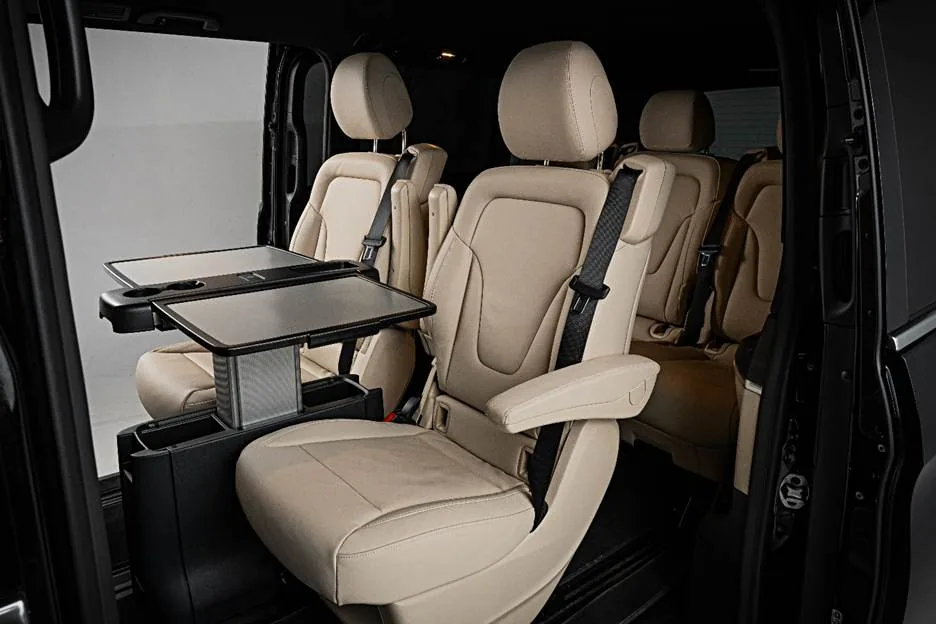
Parent drives = divided attention between the road and the kids. Backseat meltdown requires pulling over. Long drives exhaust the driver before the trip even begins.
Professional driver advantages:
The parent sits in the back and directly manages the children. Full attention on kids: snacks, activities, disputes, comfort. No stress about navigation, traffic, or parking. Arrive relaxed instead of frazzled.
BG Diplomat family transport:
Mercedes V-Class with proper child seat installation: rear-facing infant seats, forward-facing toddler seats, booster seats for older kids | Drivers accustomed to family travel pace, understand need for stops, don't rush children
Families of 3-4 find the Mercedes E-Class more intimate than the V-Class, with rear entertainment systems and easier parking at rest stops.
The BMW X6 elevated seating helps children see better during scenic drives, reducing car sickness while providing the luxury comfort parents expect.
Tech-forward families appreciate the Mercedes EQE's silent electric operation, eliminating engine noise that can disturb sleeping infants during long drives.
Spacious vehicles with room for strollers, luggage, and kid gear. Climate control is accessible from the rear seats.
Request family transport quote | View fleet
Packing Essentials
In reach from the car seat:
Sippy cup or water bottle
2-3 snacks in containers
1-2 small toys
Wipes (spills happen)
In back but accessible:
Extra clothes for each child
Diapers or pull-ups, even for potty-trained kids (accidents happen on road trips)
Small first aid kit
Trash bag
In trunk:
Stroller
Main luggage
Larger toys and activities for the destination
Important: Don't pack essentials in the trunk | Digging through luggage on the highway shoulder creates stress
Frequently Asked Questions
How often should I stop when travelling with kids?
Every 90 minutes for toddlers, every 2 hours for kids 5+, every 2-3 hours for older children. More frequent short stops (15-20 minutes) work better than fewer long ones. Let kids run and burn energy.
What's the best age for long car trips?
No "best" age, but infants (0-12 months) sleep through trips if timed aroundthe feeding schedule. Ages 2-4 are the most challenging due to short attention span and high energy. Ages 5+ generally easier with ability to engage in activities and understand time concepts.
Should I let kids use tablets?
Tablets work, but use them as a backup, not the first option. Once screen time starts, kids won't engage with other activities. Save tablets for the final hour or difficult stretches. Relying on screens for the entire trip creates dependency.
How do I prevent car sickness?
Sit the child in the middle back seat (smoothest ride), encourage looking out front window, not down at books or tablets, fresh air through cracked windows, ginger candy for kids 4+, avoid heavy meals before departure, stop immediately if child reports nausea.
What if my child refuses to stay in a car seat?
Non-negotiable safety issue. Stop the car immediately if the child unbuckles. Don't drive with an unbuckled child. Stay stopped until the child buckles properly. Reward systems (stickers for staying buckled) work better than threats.
Travelling with kids requires planning, but becomes manageable withthe right timing, activities, and stops. For family trips where parents want to focus on children instead of driving, contact BG Diplomat for professional family transport.
Article version 1.0 — January 2026